Watching the Geminids Meteor Shower
Author: Animesh Pradhan
As another semester winds to a close, we organised a general observation session dedicated to the bright Geminids meteor shower. With the skies above Bangalore finally clearing up, the heavens offered us a wonderful opportunity to watch one of the brightest meteor showers of them all, with lots of stars to boot.
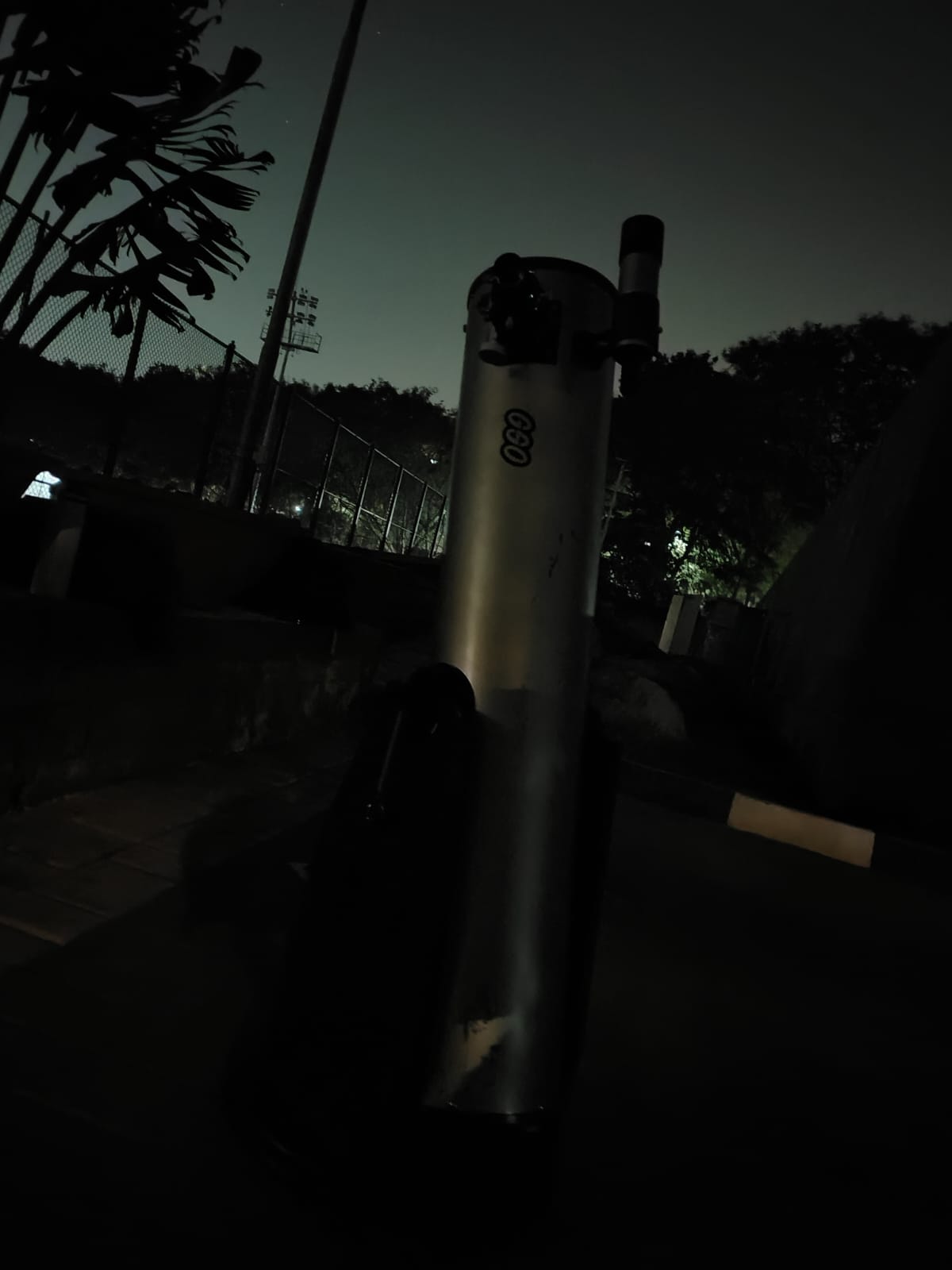
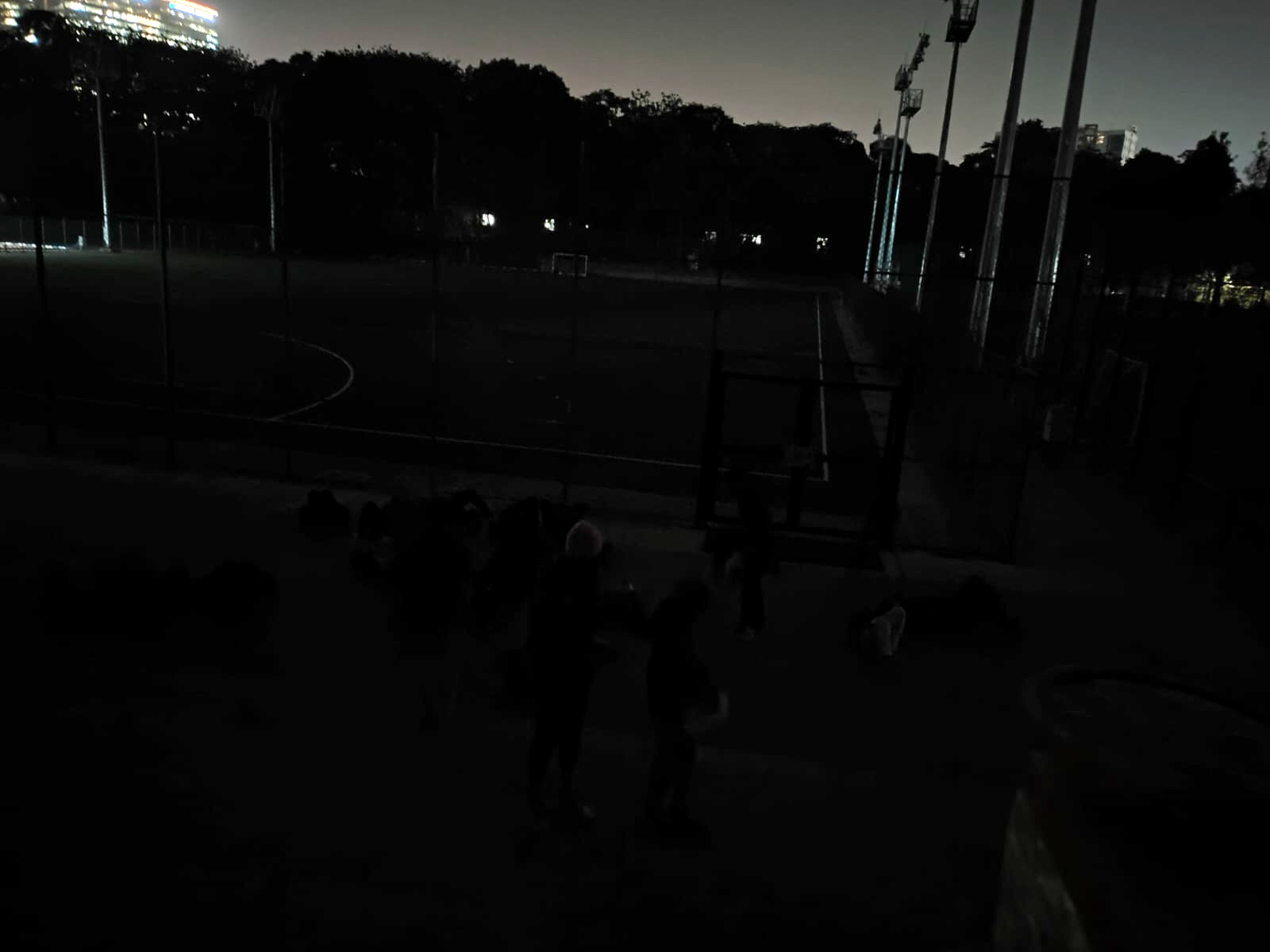
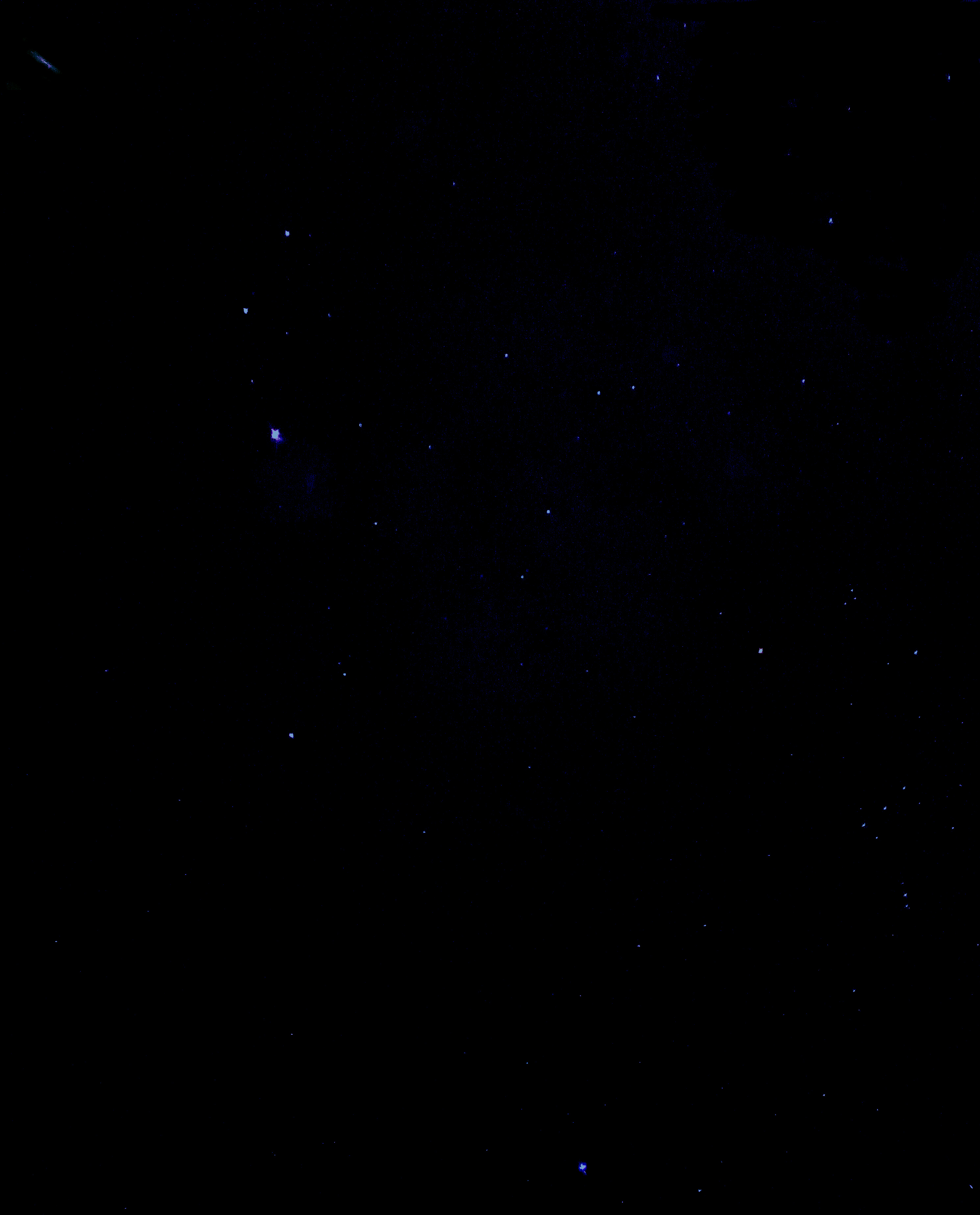
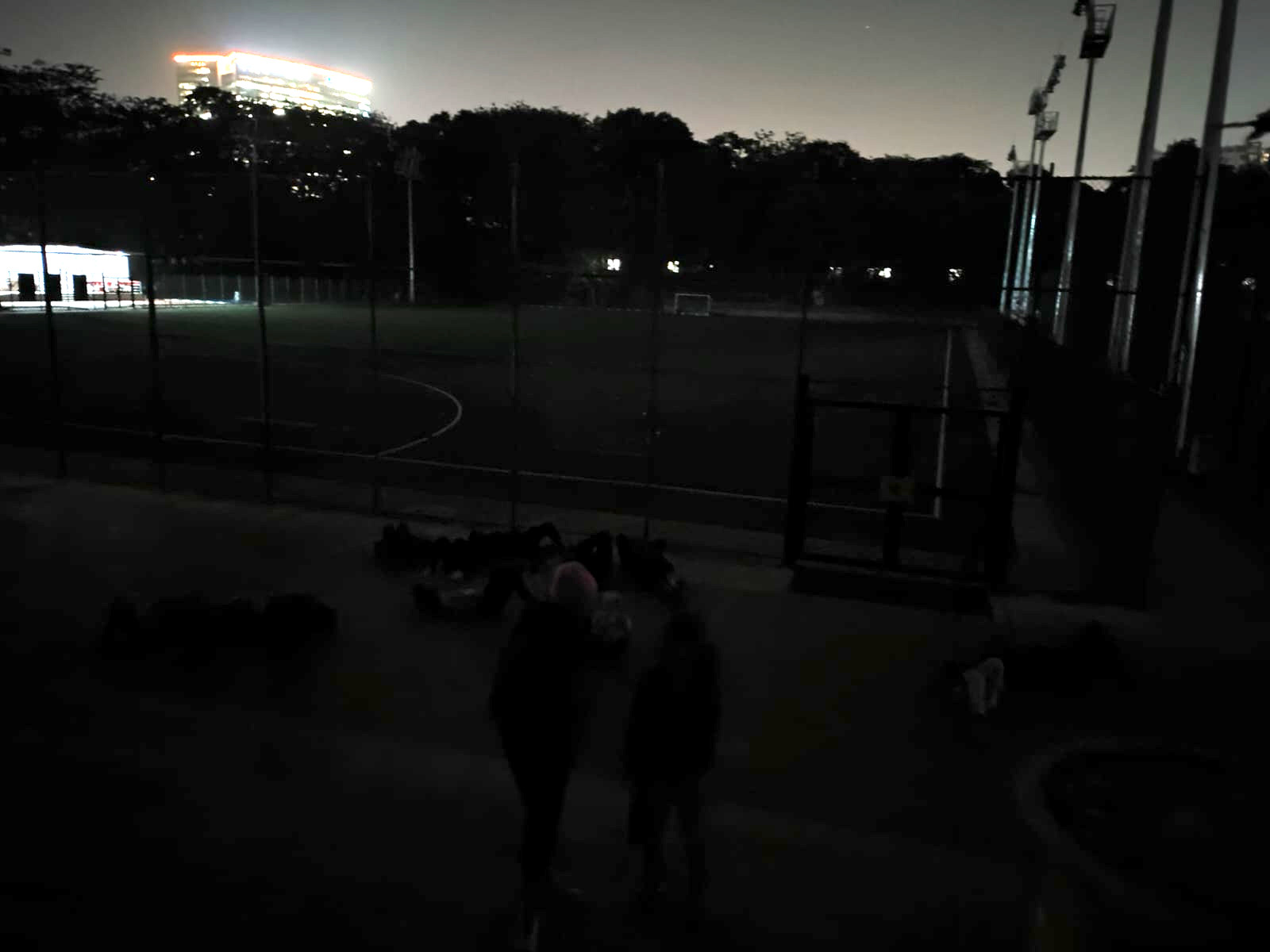
People from various departments in IISc, along with some guests came together to watch the shower. The chilly weather forced everyone to wear jackets and use blankets, but only ended up strengthening their resolve to watch just another meteor. Some of us tried taking continuous short exposure shots to capture meteors, an effort which mostly didn’t yield fruit(The last image here is one the few that had a meteor in it, look at the streak in the top-left). As people from all walks of life came together, forgetting the worries of the day for just one night, to lie down and try seeing as many meteors as possible. While my personal meteor count only went to 16, many people managed to get as many as 22 within a few hours of skywatching. Not everyone managed to make their wishes in time though, as each meteor only lasted a second or two at most, the longest ones going to about 3-4 seconds. Each streak of bright light in the heavens was followed by excited shouts, and a tinge of disappointment for those who happened to be looking at the wrong direction.
Most meteor showers occur when Earth’s orbit passes through the debris trail left by a comet, where the debris falls in and burns up in the atmosphere forming the meteors we awe at. The yearly Geminid shower, however, are formed by a debris trail of an asteroid, 3200 Phaethon. It is one of only two major meteor showers associated with an asteroid and among the most prolific of them all. Meteor showers derive their name from the constellation where the origin point of the meteor lie, i.e. the point where all the meteor trails, when extended, converge. This point, called the radiant, lies about 34-53 arcminutes from Castor, the second brightest star of Gemini.
The observation session concluded on a positive note, with people going back home with memories to remember, long after the night was gone. Only time will tell however, what wishes come true, and what remains, the fault in our meteors..
Clear Skies!
Image credits: Hemansh Shah and Animesh Pradhan